
Apart from being one of the most interesting places on earth in terms of its history, culture, and nature, Lisbon is particularly great for eating out.

The capital city of Portugal is located at the Western end of Europe and above Gibraltar Bay. Lisbon is a melting pot of many different and delicious cultural influences originating from its glorious maritime history.
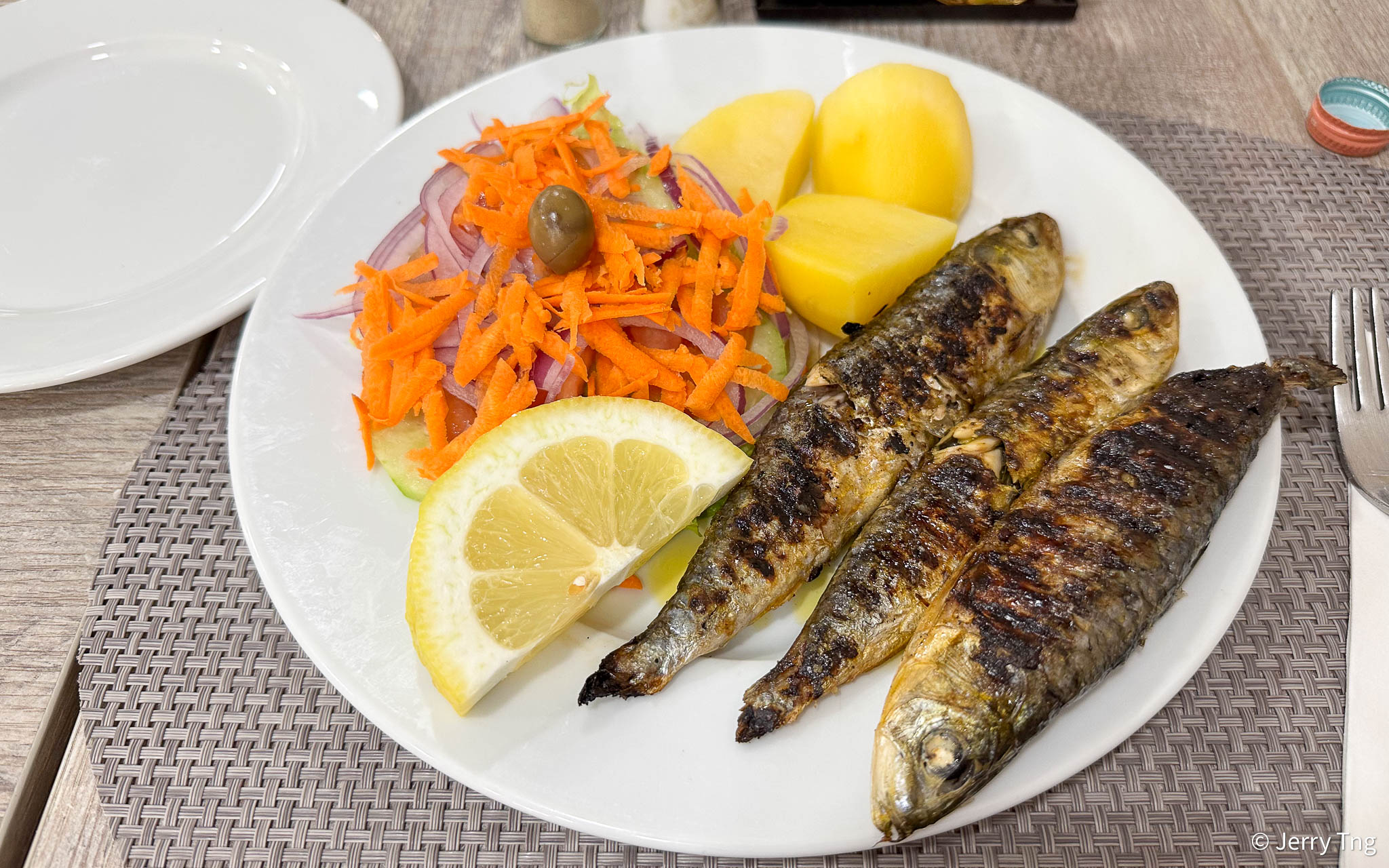
Sardinhas Assadas

Portugal has one of the highest fish consumption rates in Europe and sardines are very popular. There are dozens of lojas de conservas in Lisbon streets, where you can buy canned sardines with many different sauces, flavors, and seasonings. But canned food can’t compete with Sardinhas Assadas, a traditional dish with freshly grilled sardines.

Every year, the Feast of St. Anthony (the patron saint of Lisbon) celebration takes place in June. This holiday is also called “the Sardine Festival” due to the plethora of roasted sardines available from street vendors on every corner in the city.


There are many good cafes and eateries all around Lisbon, from value-for-money in the neighbourhoods to sidewalk cafes on the old part of town. Just look for one that fits your budget and you cannot go wrong.
Leitão da Bairrada

The Portuguese love meat dishes, but this one is especially luxurious because it’s made of a young (about a month old), suckling piglet. Using meat from young animals isn’t a new way of feasting. But this traditional dish has been the centre of admiration for at least a couple of centuries around the Bairrada region.


The meat is seasoned with spices, olive oil, and lots of garlic. Then it’s skewered on a pole to be cooked in an oven that’s heated with aromatic eucalyptus bark and vines until the skin turns crispy while the meat undergoes pull-apart tender.


Time Out Market Lisboa is a food hall located in the Mercado da Ribeira at Cais do Sodré in Lisbon. A concept created from scratch in 2014 by the team at Time Out Portugal, with only the best ideas and business projects in Lisbon – according to the editorial team – which can stay in the market from one week to three years. If it’s good, it goes in the magazine, if it’s great, it goes into the market.


On the one hand, 26 restaurants, 8 bars, a dozen shops and a high-end music venue, all with the very best in Lisbon (the best steak, the best hamburger, the best sushi and the best live performances, amongst others); on the other hand, home to some of the city’s best known (and longest-running) market vendors of meat, fish, fruit and flowers.
Bacalhau

Bacalhau or salted codfish is embraced as the traditional Christmas Eve dinner in many parts of Portugal and is often served on social occasions. The cod that the Portuguese love has been imported from Norway for many centuries. Because the refrigeration techniques weren’t as efficient as today’s, the cod was salted to endure the trip from the Northern Atlantic to Portugal. Bacalhau was the main food source of the Portuguese 14th-century voyages of discovery.


More than a snack and less than a meal, Pastéis de Bacalhau are fried cakes made with cod and potatoes instead of sugar and flour. They are also commonly referred to as “salt cod fritters” or “salt cod croquettes” and enjoyed everywhere. These were part of my introduction to Portuguese food in Macau.
Coxinhas | Brazilian chicken fritters

The culinary exchange between Portugal and Brazil doesn’t end in feijoada beans and meat stew. Coxinha, a really popular Brazilian fritter, is now-a-days incredibly common at snack bars and pastelarias, alongside the usual Portuguese range of savory goodies. The dough is prepared with wheat flour, chicken broth and, sometimes, mashed potato too. The traditional filling includes chicken, onions, catupiry cheese, parsley and variable seasonings.


Visit your run of the mill corner café or pastelaria, and you will notice a variety of savoury snacks on the counter. In this context, savouries are ordered per unit and usually eaten at room temperature. It’s only when we eat them in actual restaurants, where they are fried to order or heated up, and eventually eaten warm. So if you want them warm, you have to asked for them to be heated up.
Pastel de nata

The pastel de nata refers to egg tarts invented in the 17th century by monks at the Jeronimos Monastery in Lisbon. At the time, egg whites were used to starch clothing which left the monks with a surplus of egg yolks to be used in cakes and pastries. One of the pastries they invented was the pastel de nata.


A prime place to try the treat is at Pastéis de Belém in Lisbon, which has made (and perfected) pastel de natas since 1837.
Pastéis de Santa Clara

Though they come in various sizes and shapes, Santa Clara pastries always combine the thin and crispy dough with a sweet almond and egg yolk filling. The pastries were named after the Santa Clara convent in Coimbra, where they were invented and prepared by nuns.
Travesseiros de Sintra
These crispy, sweet treats are made with a combination of puff pastry and a rich cream that consists of almonds and egg yolks. Travesseiros, which translates to pillows or cushions, is a signature dessert of Sintra. They are produced and sold at Piriquita, the same bakery where they were invented in the 1940s, and the original recipe is still a closely guarded secret. Travesseiros are best served freshly baked and lightly dusted with powdered sugar.
Bola de Berlim

Bola de Berlim is Portugal’s version of a Berliner, a German doughnut without a central hole. But what makes Bola de Berlim really stand out from the regular fried treat we all know is that the dough is rolled in sugar and filled with sweet custard cream.


A good place to try all these sweets is Pastelaria Versailles. The pastry specialty shop opened its doors in Lisbon in 1922.
Tried in various locations in Lisbon, Aug 2023
#pastelariaversailles #pastelsdebelem
0 comments on “Delicious Portugese Food”