
Nara, Japan’s first permanent capital, is considered the cradle of Japanese food culture. The city is famous for its temple-perfected vegetarian shojin ryori, centuries-old preserved dishes, and high-quality Yamato regional ingredients (like local pork and beef).

The famous sika deer of Nara are wild, free-roaming animals that have inhabited the city for over 1,300 years. Protected as national natural monuments, they were historically revered as divine messengers of the gods.

The deers are famous for their unique, courteous-looking bow. While it looks like a polite greeting, it is actually a learned behavioural tactic. They bow because they have learned that humans will reward them with food. Today, over 1,200 of these “bowing deer” wander freely through Nara Park and the surrounding city streets.

This small pond close to Nara Park is a pleasant place for strolling or taking a break. As you reach the top of the main shopping area along Sanjo-dori Street, you will see the pond, lined with willow trees, just below Kohfukuji Temple. The Sarusawa Pond was created in 749 and is surrounded by the grounds of the Kofukuji Temple. The five storied pagoda of Kofukuji Temple is a picturesque backdrop to the outline of willow trees that circle the reflective lake.

During the Nara period, a maid of the court drowned herself in the lake following a love affair with the Emperor Heizei. The Uneme Shrine was built to pray for the soul of the maid and comfort the other Uneme (ladies of the court). It is slightly hidden in the northwest corner of the pond and unlike other shrines the tori gates do not lead to the from of the Shrine. Legend says that the Uneme Shrine was originally built to face the lake however, it could not face the scene of the suicide and turned itself around overnight.


The Uneme Matsuri festival is held annually in the middle of September every year on the pond to remember the maid and comfort her soul. If you are thinking of visiting the area during this time, it is a must see. The parade starts from 5pm at JR Nara Station and heads along Sanjo-dori Street. At 6pm there is a memorial service at the Shrine and at 7pm the dragon shaped boat carrying a costumed Uneme girl sails around the pond. Traditional Gagaku (court music) is played and lanterns line the edge of the water.

And along the hill by the pond is Yanagi Chaya, opposite Kohfukuji Temple right next to the Nara Tourist Information.


This historic establishment, founded in the early Meiji era, is renowned for its Nara chahan (green tea rice porridge) and warabimochi (bracken starch dumplings). Guests can relax in traditional Japanese-style rooms while enjoying traditional sweets and set meals that reflect the restaurant’s long heritage.

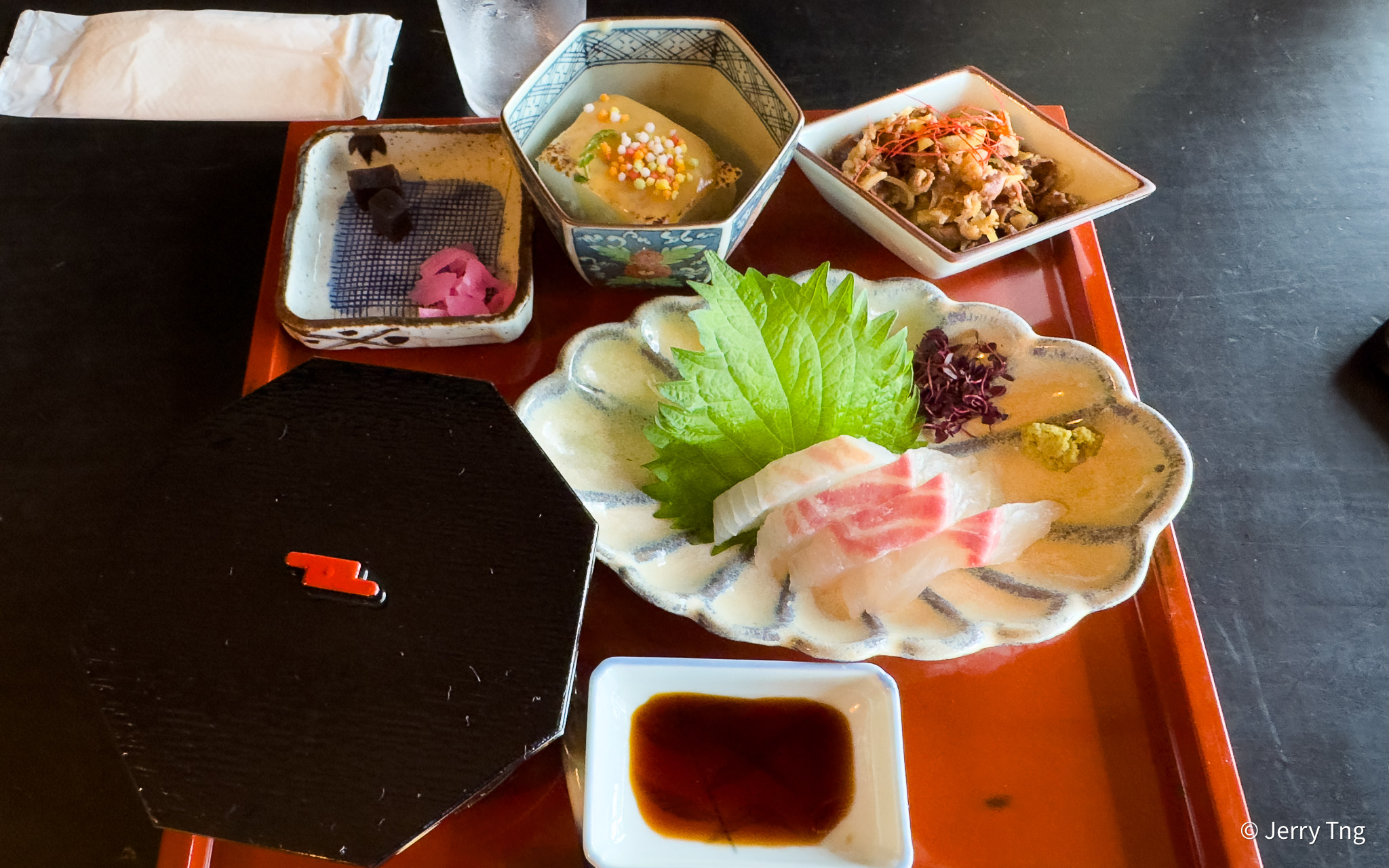
They serve traditional Japanese set menu aka Washoku, that typically included one rice and three side dishes and a miso soup and pickles. 奈良茶飯御膳 Nara Tea Rice Set Meal comes with a simmered beef dish, a sashimi, Nara Chahan and Nyumen in place of the miso soup.

Nara Chahan is a traditional regional dish from Nara that combines Japanese fried rice techniques with local tea-cooking traditions. Also known as tea rice (Chagayu), it is made by cooking or simmering rice in roasted green tea (hojicha) and is typically enjoyed for its light, earthy flavour and comforting, easy-to-digest nature. And with rice there’s always pickles.

Nara pickles, or Narazuke, are traditional Japanese pickles hailing from Nara Prefecture. Vegetables like white melon, daikon radish, and cucumber are repeatedly soaked in salt and fermented sake lees (sakekasu) for several months to years. This process yields a deep amber colour, a rich umami flavour, and an earthy, slightly alcoholic aroma. The tofu is topped with a savoury sauce, a soy-based dashi glaze, and colourful arare (tiny rice crackers) for texture, and often served as part of Buddhist vegetarian cuisine (shojin ryori).

Yamato beef shigureni 大和牛しぐれ煮 is made by simmering high-quality Yamato beef—a celebrated breed from Nara Prefecture—in a sweet and savoury soy sauce, mirin, sake, and ginger reduction until incredibly tender. The secret sauce has been paid down by generations since the Meiji period.

This sashimi dish features thinly sliced Japanese sea bream, or tai 鯛, presented on a decorative plate with a large perilla leaf and small red shiso sprouts to enhance its delicate flavour.

All these were accompanied by a bowl of Nyumen 煮麺, a warm Japanese noodle soup featuring very thin wheat somen noodles.The soup was prepared in a light dashi broth and topped with green onions and sakura-shaped kamaboko (fish cake). Nyumen is a regional specialty of Nara prefecture, often enjoyed during colder months.

Dessert is traditional matcha green tea and warabimochi (bracken starch mochi). Nara tea is said to have originated in ancient times, when it was used in meals at monks’ quarters of temples such as Kofuku-ji and Todai-ji, where it was a precious tea supplied from the temple’s land.

All these for ¥2,500, you get a really delicious meal, a great view, and sore legs sitting crosslegged on the tatami mat. Recommended if you are in the vicinity. But do note that it is in a tourist location so things sell out very quickly. If you are certain that you are going, there’s a reservation form to reserve a seat three days in advance.
Yanagi Chaya 猿沢池畔 柳茶屋
4-49 Noboriojicho, Nara-shi, Nara
Tel : 0742-23-4763 (Reservations)
Visited Nov 2025
0 comments on “Yanagi Chaya 柳茶屋 @ Nara”